




Blog
Climate Control on a Budget: A Farmer’s Guide to Shade Nets

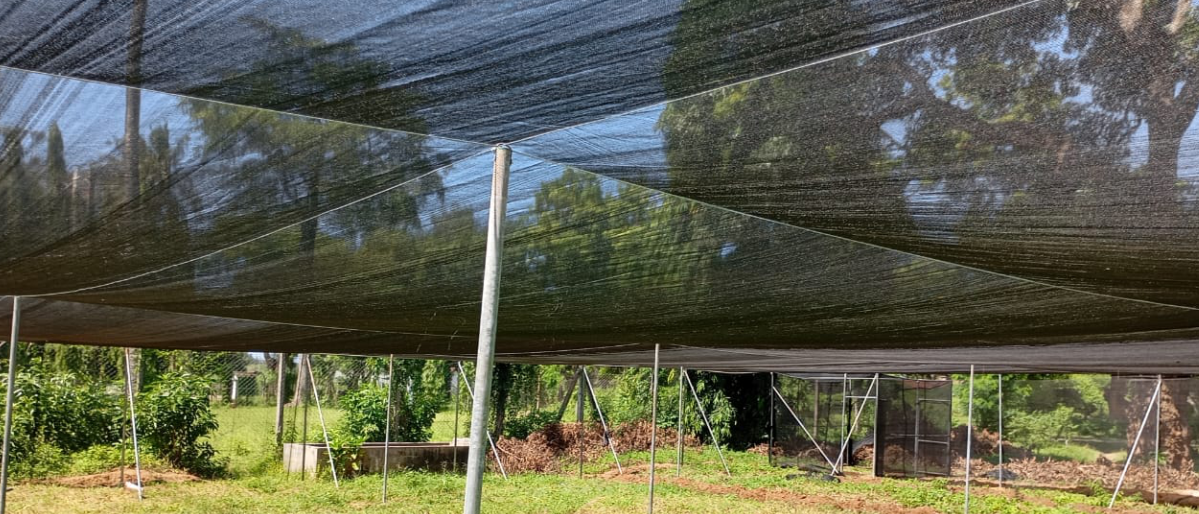
Intense solar radiation, scorching winds, and unexpected hailstorms can ruin a premium crop overnight. If you want to protect your investments without the higher cost of a full greenhouse, high-grade agricultural shade nets are a highly effective, scalable alternative. Here is how to use them effectively:
- Select the Right Shade Percentage: Nets are categorized by how much light they block (typically 30% to 90%). For instance, most vegetables like tomatoes and sweet peppers thrive under a 30% to 50% shade net, while delicate nursery seedlings might require a higher percentage.
- Reduce Water Usage: Because shade nets filter harsh sunlight and cut down on wind speeds, they dramatically lower the evaporation rate from your soil. This means you can actually reduce your irrigation frequency and save water.
- Create a Pest Barrier: Beyond weather protection, tight-weave netting acts as a brilliant physical barrier against destructive pests and birds, allowing you to significantly cut down on expensive chemical sprays.
The Bottom Line: Shade netting is a budget-friendly way to optimize your microclimate, helping you harvest the uniform, export-quality produce that premium buyers look for.