




Blog
What to Know Before Drilling a Borehole

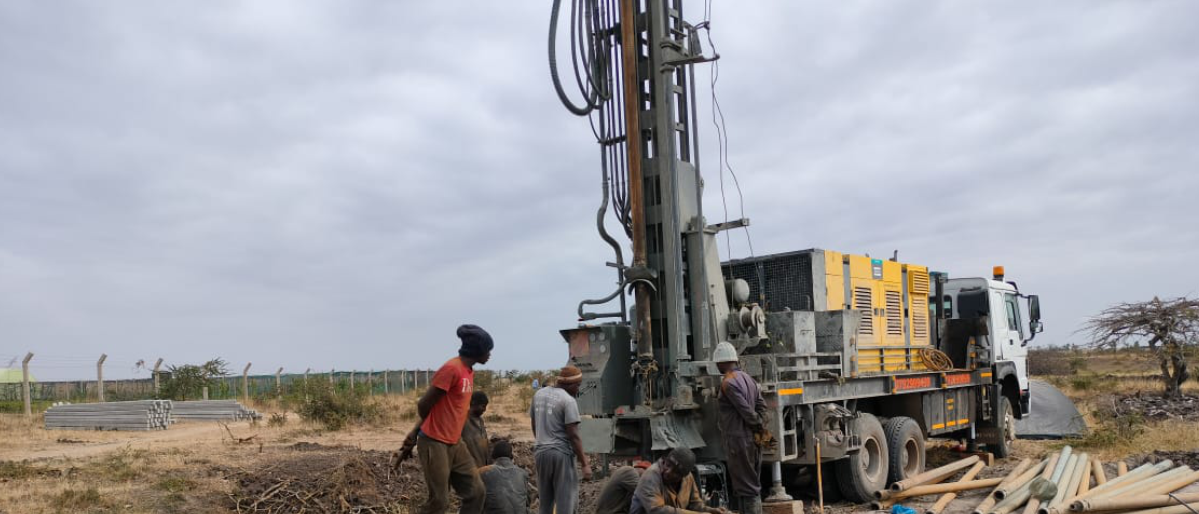
Surface water sources like rivers and seasonal streams are increasingly unreliable and heavily regulated. If you are looking to scale your agribusiness securely, a dedicated groundwater supply is a true game-changer. Before you bring a drilling rig onto your property, make sure you take these critical steps:
- Always Start with a Hydro-Geological Survey: Never guess where to drill. A professional survey uses scientific instruments to map subterranean water tables and fracture zones, maximizing your chances of hitting a high-yielding aquifer.
- Test the Water Quality and Yield: Once drilling is complete, perform a 24-hour test-pumping session to determine the borehole’s sustainable yield. Simultaneously, take water samples to a laboratory to check for salinity levels, ensuring the water is safe for your specific crops.
- Pair with Solar Pumping: Submersible pumps require a lot of energy. Pairing your new borehole with a custom solar array eliminates ongoing electricity bills, giving you an entirely self-sustaining, free source of water whenever the sun shines.
The Bottom Line: A certified borehole transitions your farm from weather-dependent to completely autonomous, giving you total peace of mind to expand your operations.